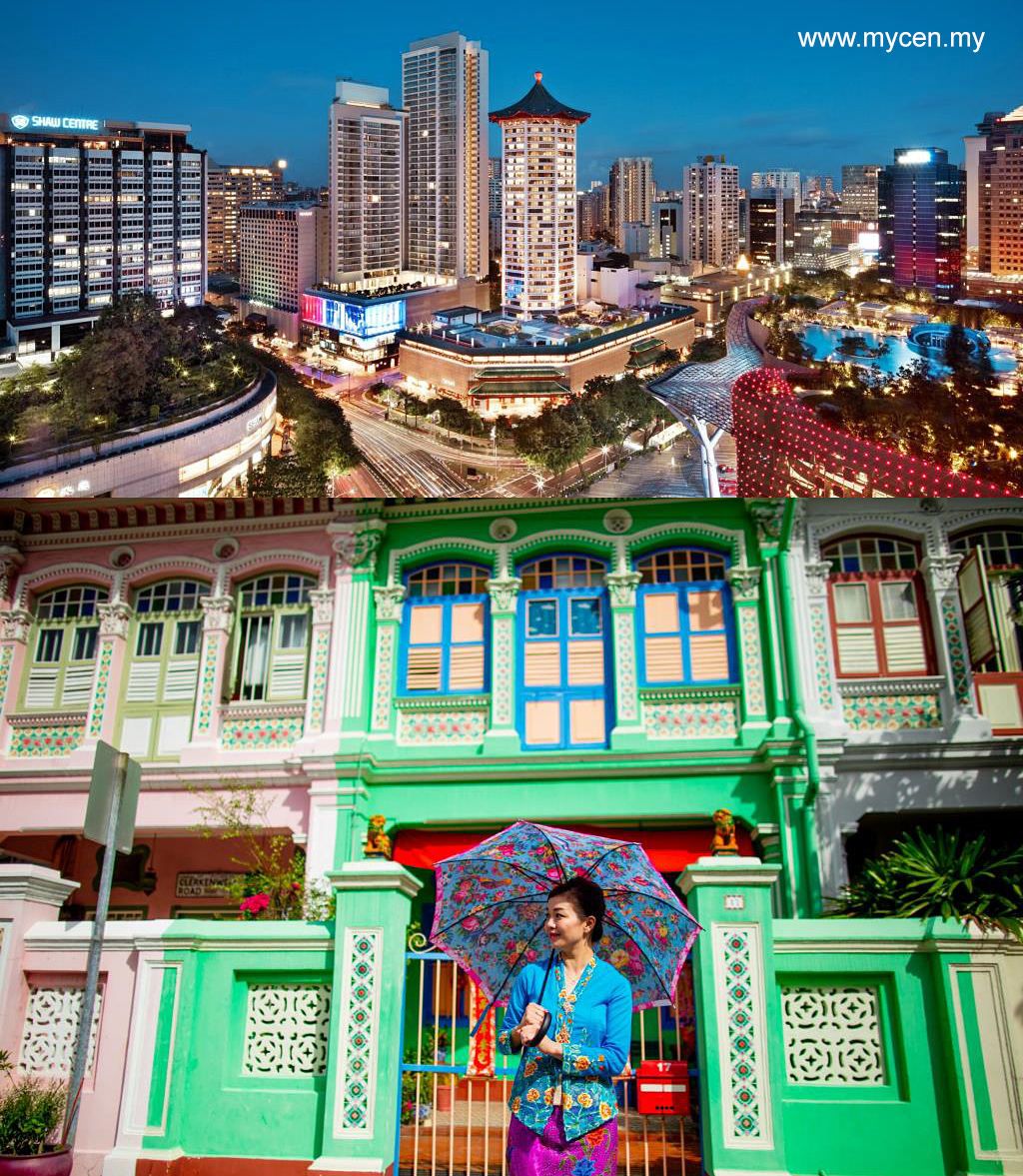
If you ask the average Malaysian which hotel he or she remembers, it”ll probably be the iconic Tang’s Hotel at the corner of shopping haven Orchard Road. It is now known as the Singapore Marriott Tang Plaza Hotel. Of course many will also know the landmark Marina Bay Sands.
While compiling the list for Budget Hotels In Singapore, I saw many new and exciting hotels. Singapore is a popular tourist destination and an international convention and exhibition center.
Doing this list for all hotels, brought back many memories as I have stayed at places such as the Holiday Inn, RELC, the Robertson Quay Hotel, the Copthorne Orchid, Sentosa Island resort, East Coast Park chalets, the Marina Mandarin, which once a coveted luxury hotel, now overshadowed by many newer rivals such as the Marina Bay Sands. There were many others I can no longer remember but it is nice to see so many still in operation.
During one year while attending Broadcast Asia and CommunicAsia or maybe one of the air shows, I couldn’t find a single available room. It was scary to be stranded in a modern city state. Yes indeed, Singapore has many hotels but the shows attract many visitors and trade people.
I wish things were more organised online in those years and I intend to make it easier to find a hotel on the island. According to the Singapore Tourism Board (STB), there were 413 hotels with 63,850 rooms as of 31 December 2016.
Here is a non exhaustive list but it should set you off on a good footing. These are hotels costing above RM250. For smaller and cheaper hotels, see also Budget Hotels In Singapore.
Here we go: http://www.mycen.my/hotels-in-singapore/