Tanjung Malim Train Station

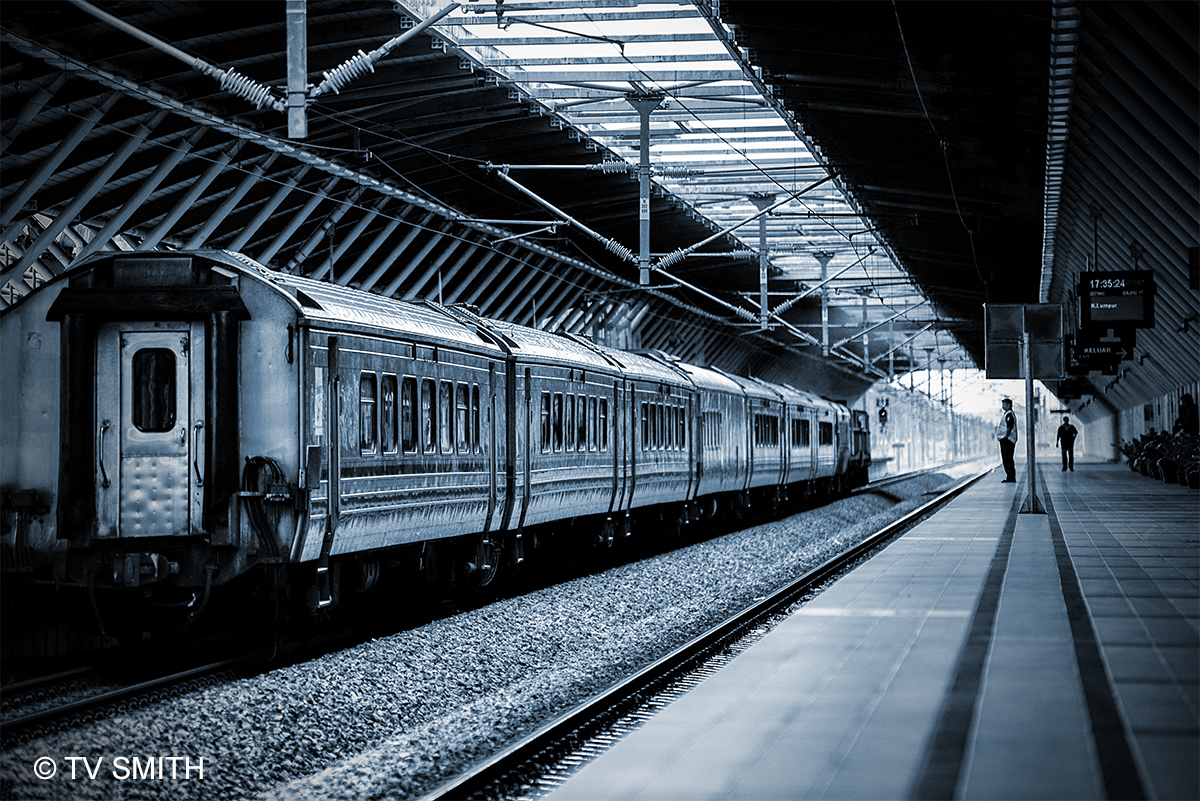
A very big station was built as part of the electrified double-tracking rail project. The new railway station and the accompanying road re-alignment and flyover were to change the face of Tanjung Malim town forever.

Amazingly, the sheltered platform is about 500 meters long. Currently there are only a handful of passengers, even during rush hour. Talk about optimism or building for the future.

Sony Alpha a7R, ISO 250, f4, 1/250 sec.

Sun Setting On A Rest House

The Tanjung Malim Rest House stands like a crumbling monument to an era long gone. There used to be a rest house in every town but only a few have survived or are still operating. Government rest houses are now mostly a British colonial day relic left abandoned and to fade away silently.

This one is unique as it is one of few with the original design from more than a 100 years ago. One of the last caretakers was a Hainanese. Not surprisingly, the rest house was well-known for the food he served.

During its glory days, this rest house not only served as a hotel (or motel) but also as a popular dining venue for royalty, other VIPs and room guests.

Now, the wooden structure is rotting away, the fittings stripped bare and creepers are encircling it in a slow strangle of death. Only thing that will probably remain is the eponymous Rest House Road it stands on.

Sony Alpha a7R, ISO 100, f11, 1/320 sec.

The Yellow Lake Of Proton City

Nestled within a quiet housing estate in Proton City is a picturesque but deserted park. Risqi, 4 and Rifa, 7, were taking in the the view of the lake from under a gazebo.

Their mother Nani, a science teacher from a school in nearby Kuala Slim, told me the lake was a tin-mining pit. She reckoned the yellowish water was caused by heavy rain the night before.

I was also told by other Tanjung Malim folks that, on weekends, it is a popular place for kite flying and other recreational activities.

Olympus OM-D, ISO 200, f6.3, 1/250 sec.

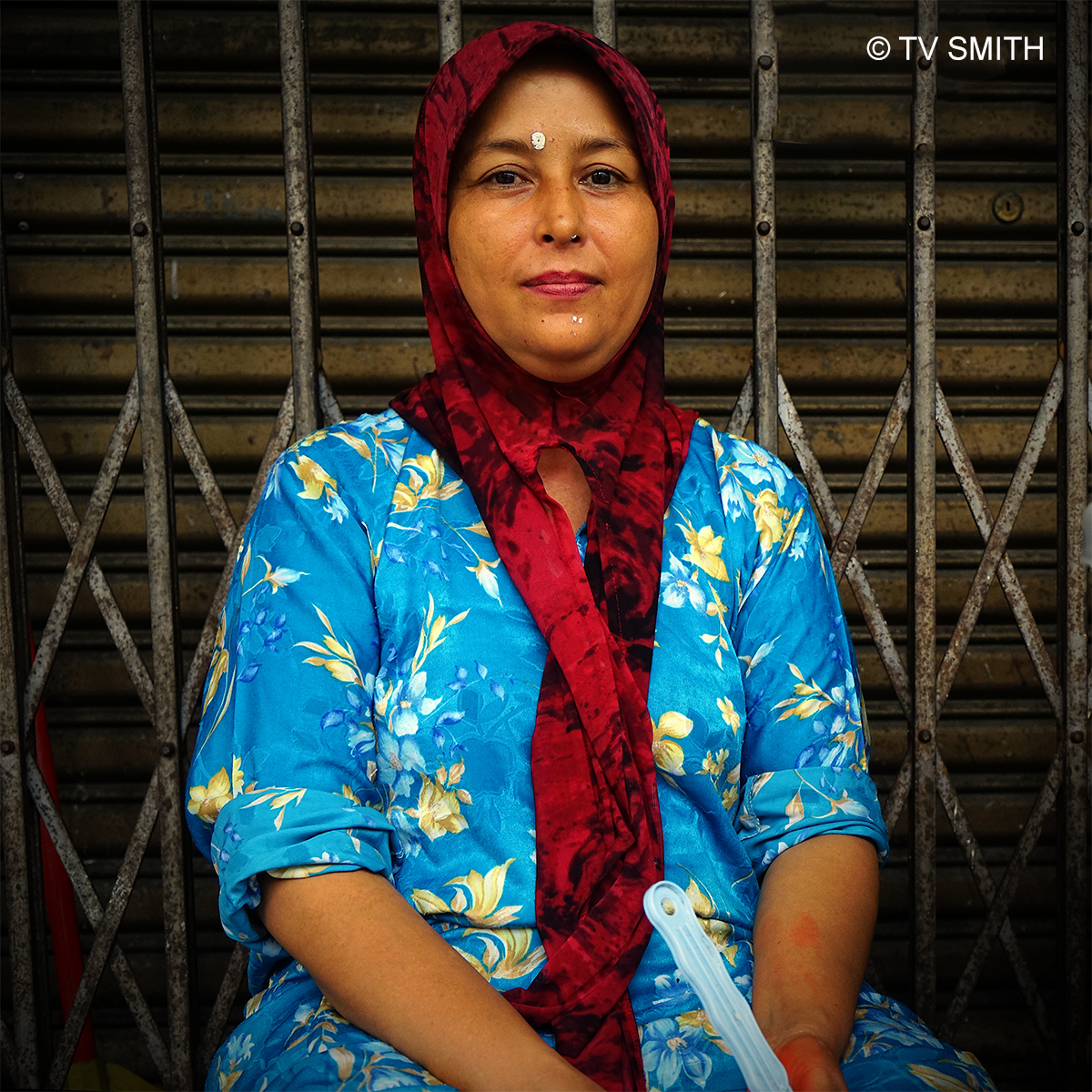
The Rohingyas On Land – Street Portrait Of A Lady

Women in the community are enterprising and contribute income to the family where they can. Many can be seen selling food, betel quids and other stuff.

Besides revenue, the corridor kiosks play an important social role. On any Sunday, it is Ladies Day. Girlfriends and female relatives socialise or connect. The street meetings are part of an informal bonding and support system.

This lady was selling the Rohingya version of ‘nasi campur’ (mixed rice). She’s holding a fly swatter. I was photographing an adjacent subject from a distance, when she covered her face with one hand and waved her swatter with the other.

I approached her and she told me she didn’t want to be photographed. Told her I wasn’t even taking her picture and I understand her concerns.

Ended up chatting with her as a result. Her name is Mariam and she is in her 40s. At the end of our conversation, I asked her if I can photograph her. She consented without hesitation, to my surprise.

Moral of the story: You can’t just waltz in and out with a camera, especially in an area where people are wary of outsiders. Spend time getting acquainted with your potential subjects, first.

When you are already acquainted and have explained your intentions, people will share their stories by themselves. Plus; when they are at ease, they look more natural and beautiful in pictures.

PS: The white dot on her eyebrow is remnant of traditional thanaka paste (bedak sejuk). It is a cultural tradition practised by both Muslims and Buddhists in Myanmar.

Sony Alpha a7R, ISO 1000, f4, 1/200 sec.
The Rohingyas On Land – Man Out Of Water

In an unofficial mini-township where almost everyone is a Muslim from Myanmar, Man (pronounced Marn) used to feel like a fish out of water. He is Indonesian.

A survivor and ‘greener pasture migrant’ himself, Man’s story is remarkable. Living in Acheh in 2004, he narrowly escaped the devastating Indian Ocean Tsunami. The disaster killed more than 130,000 people in his province alone.

Settling down here, he built a successful grocery business that now serves the Burmese migrant community. He said his escape and survival taught him humility and greater respect for hard work .

Sony Alpha a7R, ISO 1600, f4, 1/200 sec.